

Botox Therapy for TMJ/TMDin Lubbock, TX
If you're dealing with jaw pain, frequent headaches, or a tight, achy jaw from clenching and grinding, Botox may be able to help. Instead of treating wrinkles, we use it here to relax the overworked muscles that cause TMJ discomfort, giving your jaw a chance to rest and heal. Many patients notice real relief within just a few days of treatment. If jaw tension has been affecting your daily life, ask us if Botox therapy might be a good fit for you.

Open Hours
- MON
- 8 AM - 5 PM
- TUE
- 7 AM - 4 PM
- WED
- 8 AM - 5 PM
- THUR
- 7 AM - 3 PM
- FRI
- 8 AM - 2 PM
- SAT
- CLOSED
Why Should I Get Botox?
Choosing Botox for TMJ/TMD treatment can be a transformative decision for those seeking relief from jaw pain and dysfunction. This treatment is highly effective at reducing muscle tension and alleviating the discomfort associated with temporomandibular joint disorder. Botox works by temporarily relaxing the overactive jaw muscles responsible for clenching and grinding, leading to reduced pain and improved jaw function. Beyond symptom relief, Botox can help prevent the progression of damage caused by chronic muscle tension and may reduce associated tension headaches and facial pain. As a complement to other TMJ treatments, Botox offers a minimally invasive option with quick application and noticeable results. For individuals struggling with the limitations and discomfort of TMJ/TMD, Botox provides an appealing path to restore comfort, improve quality of life, and regain the ability to eat, speak, and move freely without pain.
Did you know…
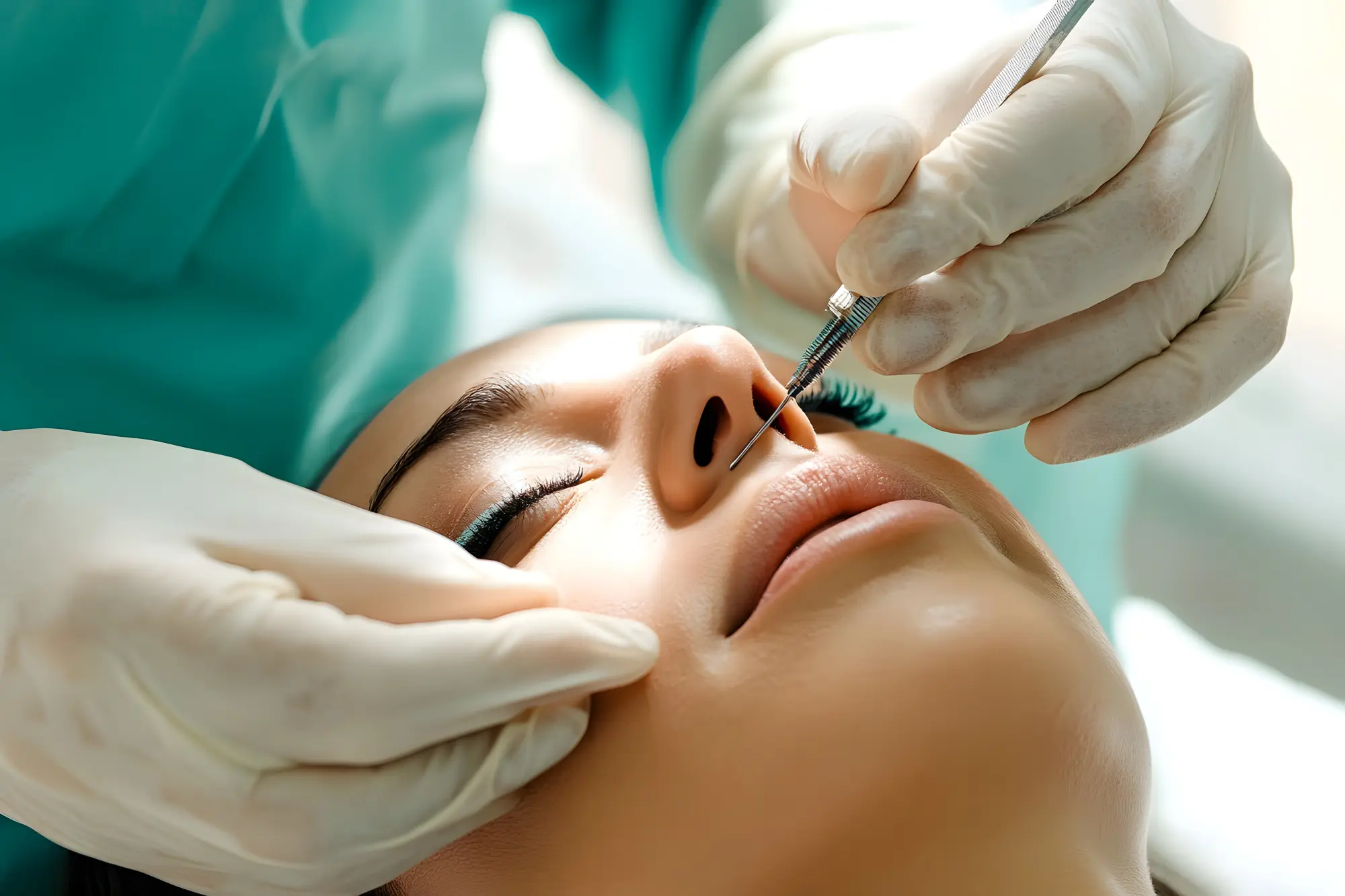
People with TMJ/TMD can exert over 200 pounds of force when clenching their jaw—that's about equivalent to the weight of a grand piano pressing down on your teeth—which is why Botox is so effective at relaxing these powerhouse muscles and providing relief.

The Benefits Of Botox
Pain Relief
Botox reduces chronic jaw pain and discomfort by relaxing the overactive muscles responsible for clenching and tension. This relief often extends to associated headaches and facial pain that frequently accompany TMJ/TMD.
Improved Function
By decreasing muscle tension, Botox helps restore your ability to eat, speak, and move your jaw comfortably without limitation. Many patients experience improved quality of life and can return to activities they've had to avoid due to pain.
Prevention of Further Damage
Botox helps protect your teeth, jaw joint, and surrounding structures from the wear and tear caused by chronic grinding and clenching. By interrupting this damaging cycle early, it can prevent costly dental work and long-term joint deterioration.
The Botox Treatment Process
Consultation and Assessment

Consultation and Assessment
The first step in the Botox treatment process is a consultation with a qualified practitioner at Epperson Payne Dental Group. During this session, the practitioner will assess your jaw structure, discuss your TMJ/TMD symptoms and functional goals, and determine the appropriate muscles for treatment. This personalized approach ensures that the treatment plan addresses your specific condition and alleviates the pain and dysfunction you're experiencing.
Preparation and Injection
Preparation and Injection
Once the treatment plan is established, the practitioner will prepare the targeted jaw muscles for injection. This involves cleaning the treatment area and, if necessary, applying a numbing cream to enhance comfort. Using a fine needle, the practitioner will inject small amounts of Botox into the predetermined muscles responsible for clenching and tension. The precision of the injections ensures that the results are effective at reducing muscle tension and tailored to your specific jaw anatomy and TMJ/TMD symptoms.
Post-Treatment Care
Post-Treatment Care
After the injections, the practitioner will provide you with post-treatment care instructions to optimize your results. It's important to avoid rubbing the treated areas and to remain upright for a few hours following the procedure. While you may notice some minor redness or swelling, these side effects typically subside quickly. The results of Botox will gradually become apparent over the following days and weeks, as the muscle tension decreases and you experience relief from jaw pain, reduced clenching, and improved jaw function.


Frequently Asked Questions
Check out these frequently asked questions, or call us to speak with our team.
